
Pricing and autopricing
Where your cards' prices come from
The full model: source, rules and manual override.
A card's selling price comes from one of these three pieces, in this order:
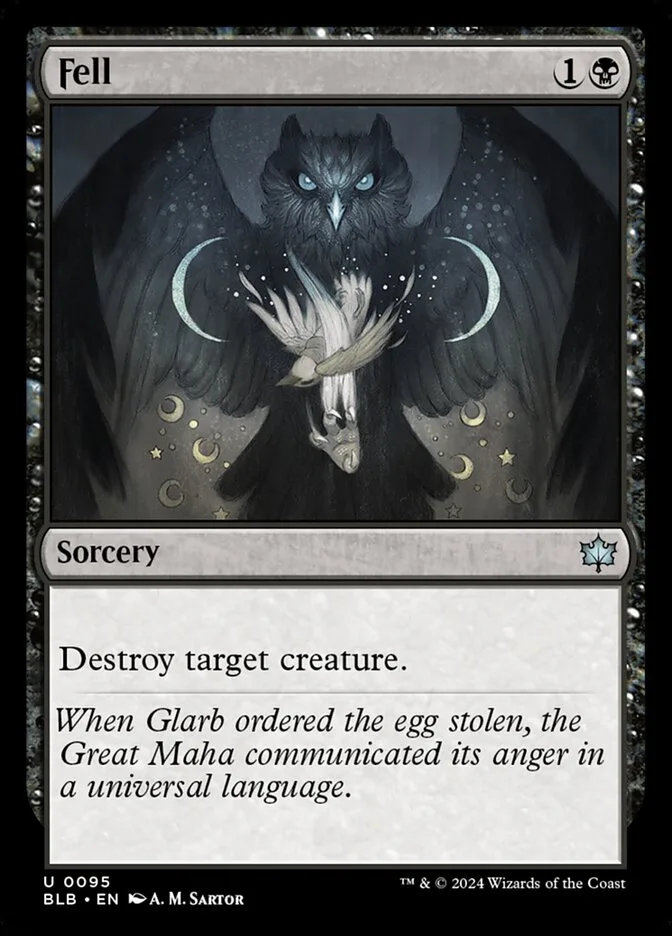
FellBloomburrow · Magic: The Gathering
- Market price
- $11.90
- Your margin
- + $2.38$3.57$4.76
- Rounded to
- $0.10
- Selling price
- $14.30$15.50$16.70
- 1. Price source: the market reference that feeds everything else. In Products › Pricing you review, for each game, which source to use — there's no single source for the whole store and each game starts with its default automatic source. Details in Price source.
- 2. Autopricing rules (optional): adjustments — margin, rounding, minimums and the language adjustment — that are applied, in the order they're listed, on top of that source's price when you update prices. In Language adjustment you can set a percentage for each catalog language, including Spanish (Latin America) separately from Spain’s Spanish. The default is 100%. If a printing has no quote of its own, the language adjustment uses the English reference; a quote in that same language always wins. Details in Autopricing rules.
- 3. Manual override (exceptional): the price column of the file you upload in Inventory › Import › CSV file, the price you enter when creating a new combination from Receive stock, or the price you edit on the product page (in Inventory), is protected and wins over the rules until you explicitly release it with Use automatic price. On receipt and on the product page, the automatic price is shown with a pencil: when you use it, the platform explains that this card will have a manual price before letting you type it.
Saving a section of Products › Pricing (exchange rate, automatic repricing or condition discount), changing a game's source or changing a rule doesn't reprice instantly: when you save, the same screen offers to update prices right there. What's applied automatically and what stays for review: Autopricing rules.